People on Site: The work behind the projects
No two days on site are identical, but they all begin with the same priorities: safety, coordination, and a clear understanding of the work ahead. Across projects and locations, field operations bring together people, schedules, and constantly evolving conditions. Whether managing complex activities, coordinating active work areas, or supporting crews in the field, site work is where planning is tested and progress takes shape.
FortisBC Tilbury LNG
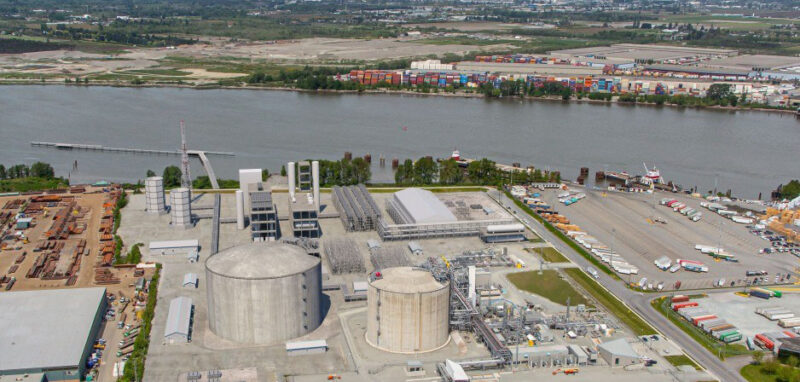
At FortisBC’s Tilbury LNG project, RAM provides marine advisory, project advisory, regulatory management, and contract management services within a complex and active construction environment.
Brad’s day begins before work is underway, bringing teams together to review permits, planned activities, and safety requirements. As an on-site Construction Manager, he works within an environment where civil, mechanical, electrical, and commissioning activities are all advancing concurrently. Coordination sits at the core of his role. Brad works closely with subcontractors, project teams, and fabrication crews while managing schedules, logistics, and shifting priorities. With teams operating across multiple regions and time zones, maintaining momentum depends on consistent communication and forward planning.
No two days on site are identical, but they all begin with the same priorities: safety, coordination, and a clear understanding of the work ahead. Across projects and locations, field operations bring together people, schedules, and constantly evolving conditions. Whether managing complex activities, coordinating active work areas, or supporting crews in the field, site work is where planning is tested and progress takes shape.
Working in the Lower Mainland also presents logistical considerations, from delivery coordination to constrained site access. At the same time, the Fraser River creates opportunities for large modules to be fabricated off-site and transported by water, improving efficiency and reducing impacts on site operations.
In an environment where conditions can change quickly, adaptability is essential. Addressing issues in real time, adjusting plans as needed, and keeping decisions moving forward all play a part in maintaining safe and steady progress.
Stanley Park Water Supply Tunnel Project
At the Stanley Park Water Supply Tunnel Project, RAM supports the Burrard Chilco Partnership team through inspection services, QA/QC support, field engineering, construction oversight, subcontractor management, and project controls support. The work includes bypass infrastructure, tunnel-related construction activities, and coordination within one of Vancouver’s most constrained and environmentally sensitive project settings.
Within that environment, Vivian’s role as a Field Coordinator connects planning with execution in the field.
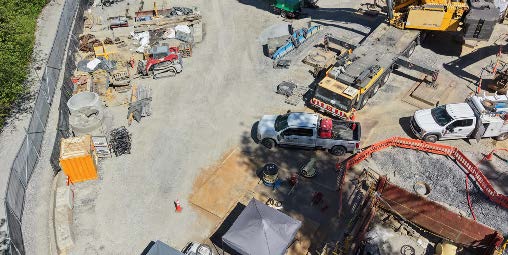
Through her involvement on the Burrard South Shaft Chamber project, she has supported work ranging from procurement and planning to coordination during construction activities involving concrete structures, rebar installation, and bypass piping.
Her responsibilities shift throughout the day. Some mornings begin with reviewing drawings and work plans, while others focus on inspections, site coordination, or discussions with subcontractors and crews. Most days involve a combination of field reviews, meetings, and active coordination as priorities continue to evolve.
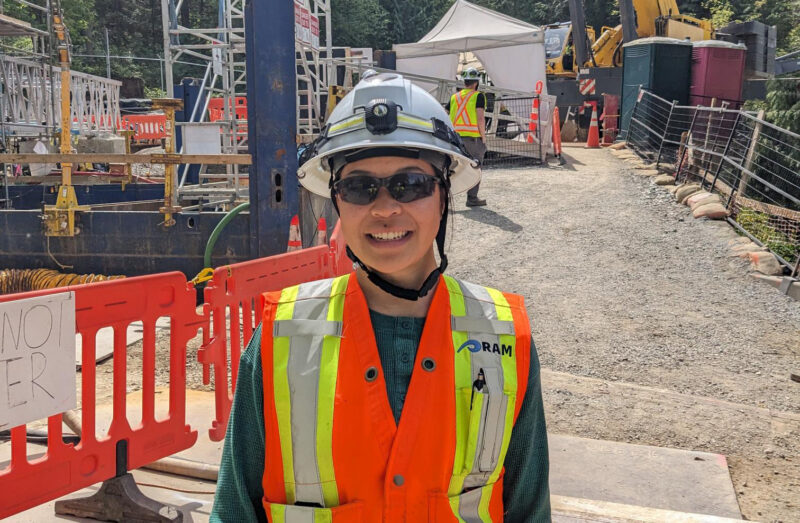
For Vivian, working on site provides a perspective that goes beyond drawings and schedules. Observing installations firsthand, verifying materials, and working directly alongside crews offer a clearer understanding of how each phase of work comes together in practice.
Much of the work depends on constant communication between crews, subcontractors, and project teams as priorities shift throughout the day. In highly constrained work areas, coordination and planning become just as important as the physical construction itself.
Treaty Creek
At Treaty Creek, RAM serves as the Professional Geotechnical Engineer of Record for the Treaty Creek Terminal Station project, supporting geotechnical investigations, foundation design input, engineered fill assessment, and ongoing construction reviews.
Working on site at Treaty Creek for Shobi, our Geotechnical EIT, brings a different set of challenges, shaped by remote conditions and the scale of the project. Days are structured around coordination, communication, and maintaining progress in an environment where planning ahead is essential.
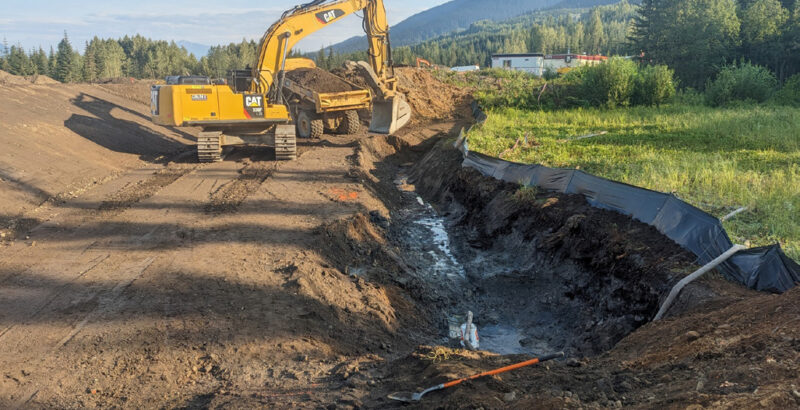
On-site work requires adaptability—responding to changing conditions, managing resources carefully, and working closely with teams to keep activities aligned. The environment demands focus and resilience, with each decision carrying weight in keeping the project moving forward.
At the same time, the experience offers Shobi a strong sense of connection to the work. Being present on site provides a clearer perspective on how plans translate into execution and how each contribution fits into the larger picture.