Building Critical Infrastructure in One of Canada’s Most Remote Communities
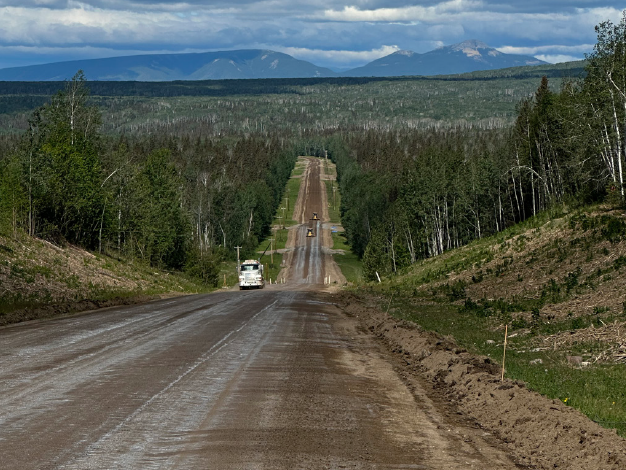
In Fort Liard, Northwest Territories, a community consisting of fewer than 500 people, only one road connects residents to the outside world. That road is now being rebuilt.
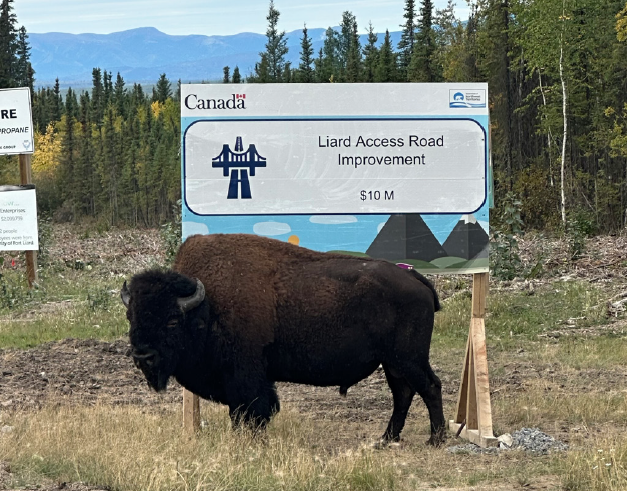
The Liard Access Road Upgrade is a $10 million infrastructure project that will transform the community’s main gravel road into a chip-sealed roadway, improving safety, reliability, and year-round access between Fort Liard and Highway 7.
For Issa Mikkawi, the project has also become one of the most defining experiences of his career.
Issa first joined the project in summer 2025 as a Field Coordinator. By the end of the season, he had stepped into the role of Construction Manager, overseeing day-to-day operations and representing the local general contractor, Beaver Enterprises.
The transition came with a major increase in responsibility.
“Suddenly, you’re not just focused on one task anymore,” Issa says. “You’re thinking about the entire project at once — progress, schedule, quantities, subcontractors, costs, communication. You have to understand how everything connects.”
That level of ownership becomes even more significant in a place like Fort Liard.
Remote construction work in the North operates differently than projects in urban centres. There are limited resources, no nearby suppliers, and there is little room for delays or mistakes; construction seasons are short, logistics are difficult, and every decision matters.
“You don’t have the same flexibility or convenience you might have on a typical job,” Issa explains. “No quick supply runs. No backup team nearby. You have to adapt fast and stay accountable.”
The scale of the work adds another layer of complexity. The project includes more than 50,000 cubic metres of aggregate and nearly 300 metres of culvert installation, enough material to fill more than 5,000 truckloads.
But despite the technical demands, Issa says the most impactful part of the experience has been the community itself.
“Everything looks different when you’re standing in it,” he says. “The drawings, the schedules, the work itself — it all becomes more real when you see how much people rely on this road every day.”
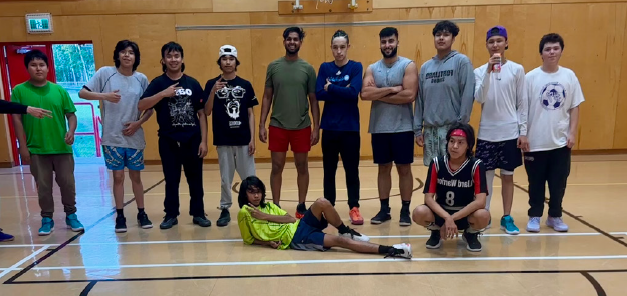
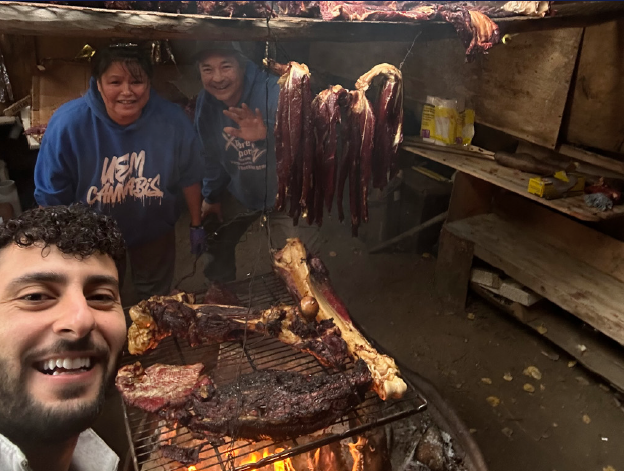
Working in Fort Liard also gave him the opportunity to experience the community beyond the construction site. Over the course of the project, he spent evenings playing basketball with local residents, trying moose meat barbecue for the first time, and experiencing the culture and landscape of Northern Canada in a way few projects allow.
“Remote construction can sound isolating from the outside,” he says, “but it also gives you the chance to experience a place
Those experiences changed the project from simply another construction job into something more personal.
Projects like the Liard Access Road Upgrade reflect the kind of work RAM continues to support across remote and northern communities: technically demanding projects that require adaptability, strong relationships, and people willing to take on responsibility early in their careers.
For Issa, the experience accelerated both his technical and professional growth.
“It pushed me beyond a support role and into real project leadership,” he says. “You learn quickly in an environment like this because you have to.”
Issa will return to Fort Liard in summer 2026 to continue the work — and to a community that made the project unforgettable.