Project Summary
Client
PwC Canada
Budget
$5 Million
Services
Construction Management
Market
Transportation
Project Description
The extreme rainfall events of November 2021 had major impacts on highways, highway structures, and Indigenous communities throughout the Southern Interior and Lower Mainland. The events caused closures on major British Columbia routes: Highway 1 (Trans-Canada), Highway 3 (Hope to the Alberta border), Highway 5 (Merritt to Hope), Highway 8 (Merritt to Spences Bridge), Highway 12 (Lytton to Lillooet), and Highway 99 (30 km west of Lillooet).
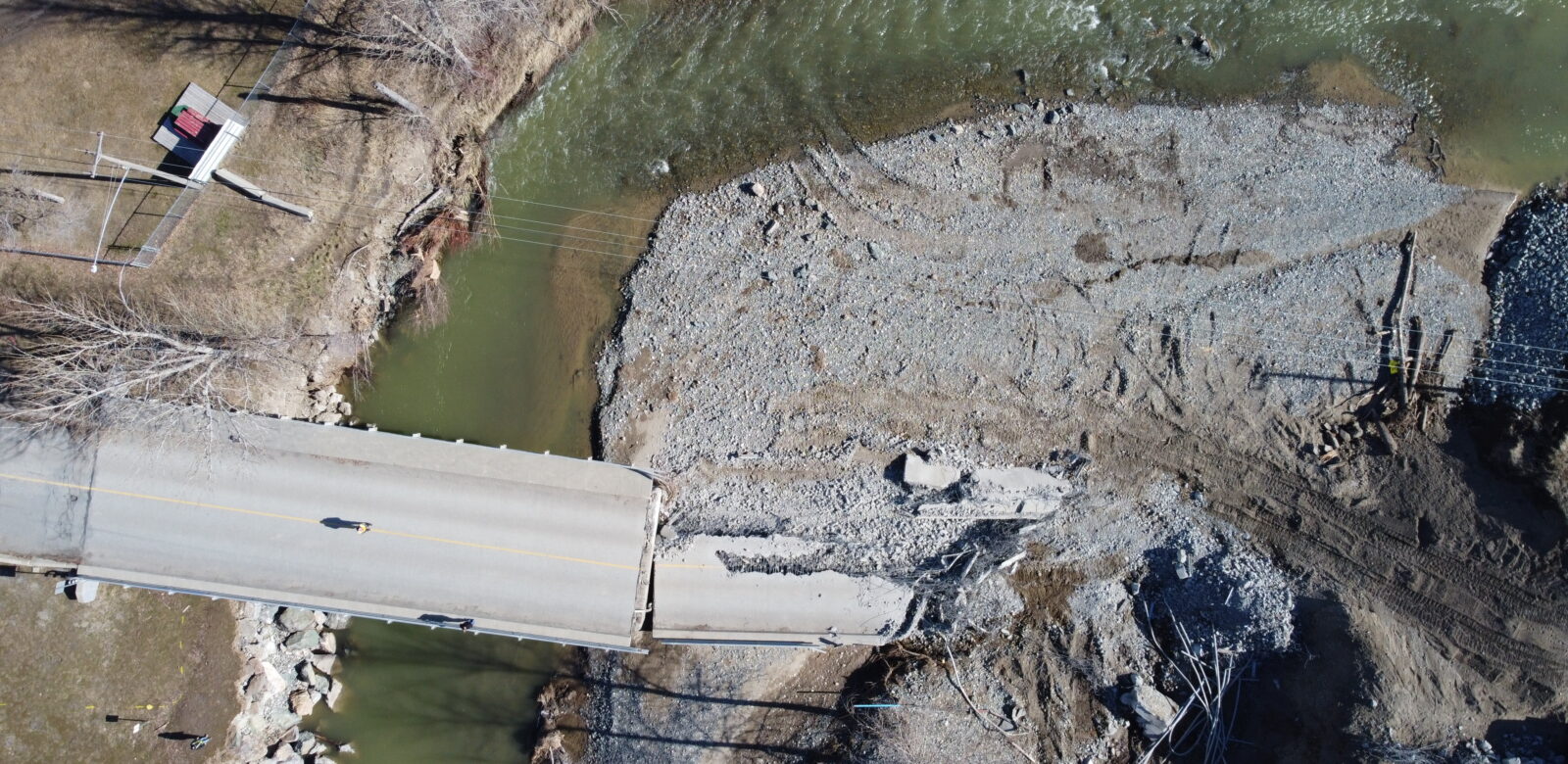
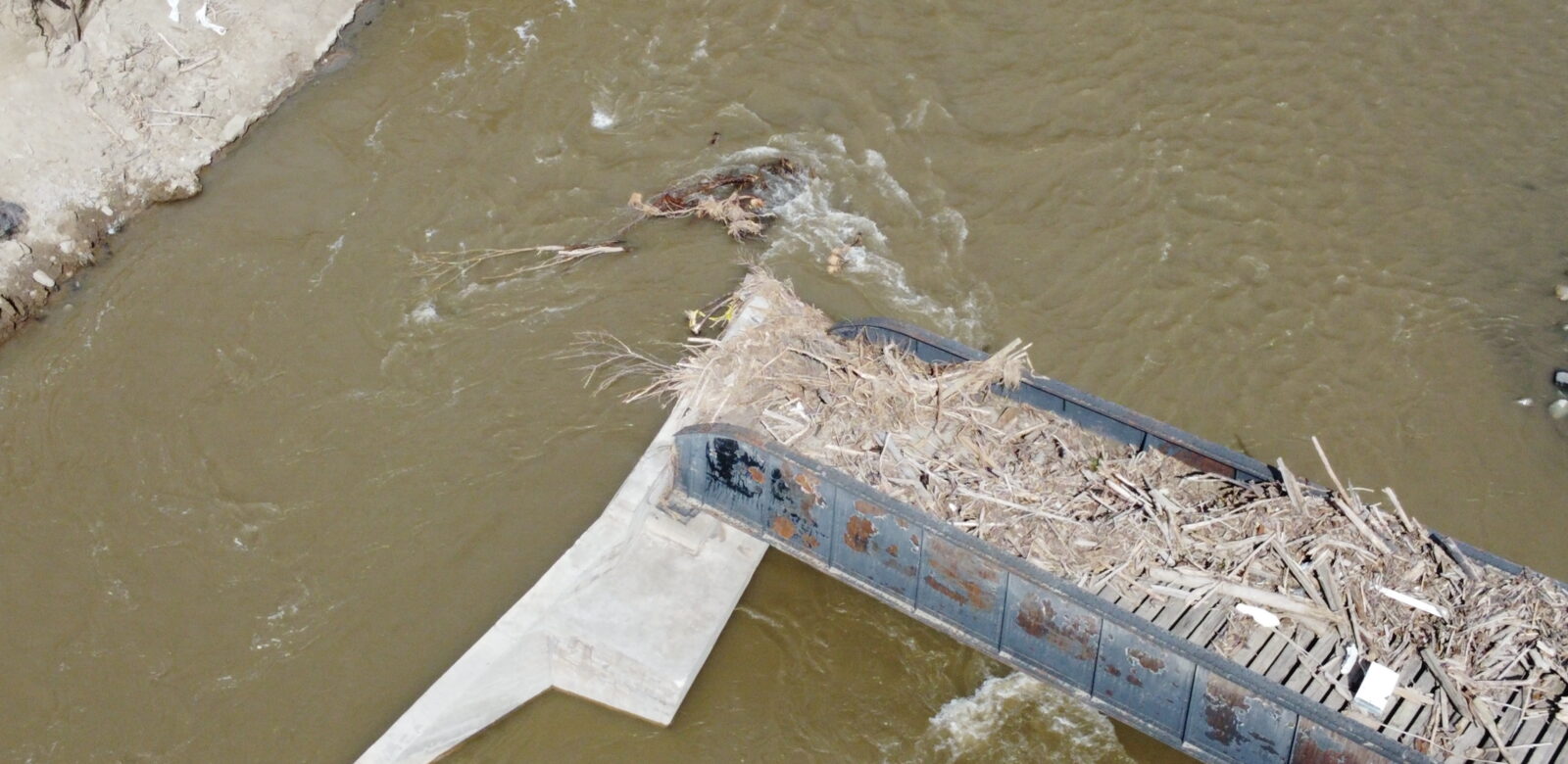
The resulting flooding of this intense downpour pushed severe debris into vital waterways and road embankments, as well as resulting in washed-out bridges throughout several areas of southern British Columbia; among the hardest hit was the Thompson-Nicola region, a vast district which encompasses several municipalities ranging from Kamloops to Lytton. This unprecedented event resulted in the accumulation of massive rubble in rivers along Highway 8.
Managed and funded by the B.C. Provincial Government, through the Ministry of Environment and Climate Change Strategy, this removal project consisted of thorough planning, removing, staging, and disposing of man-made debris deposited in the rivers as a result of the atmospheric river event, and the engagement of many First Nation communities impacted in this critical clean-up effort.
Our Role
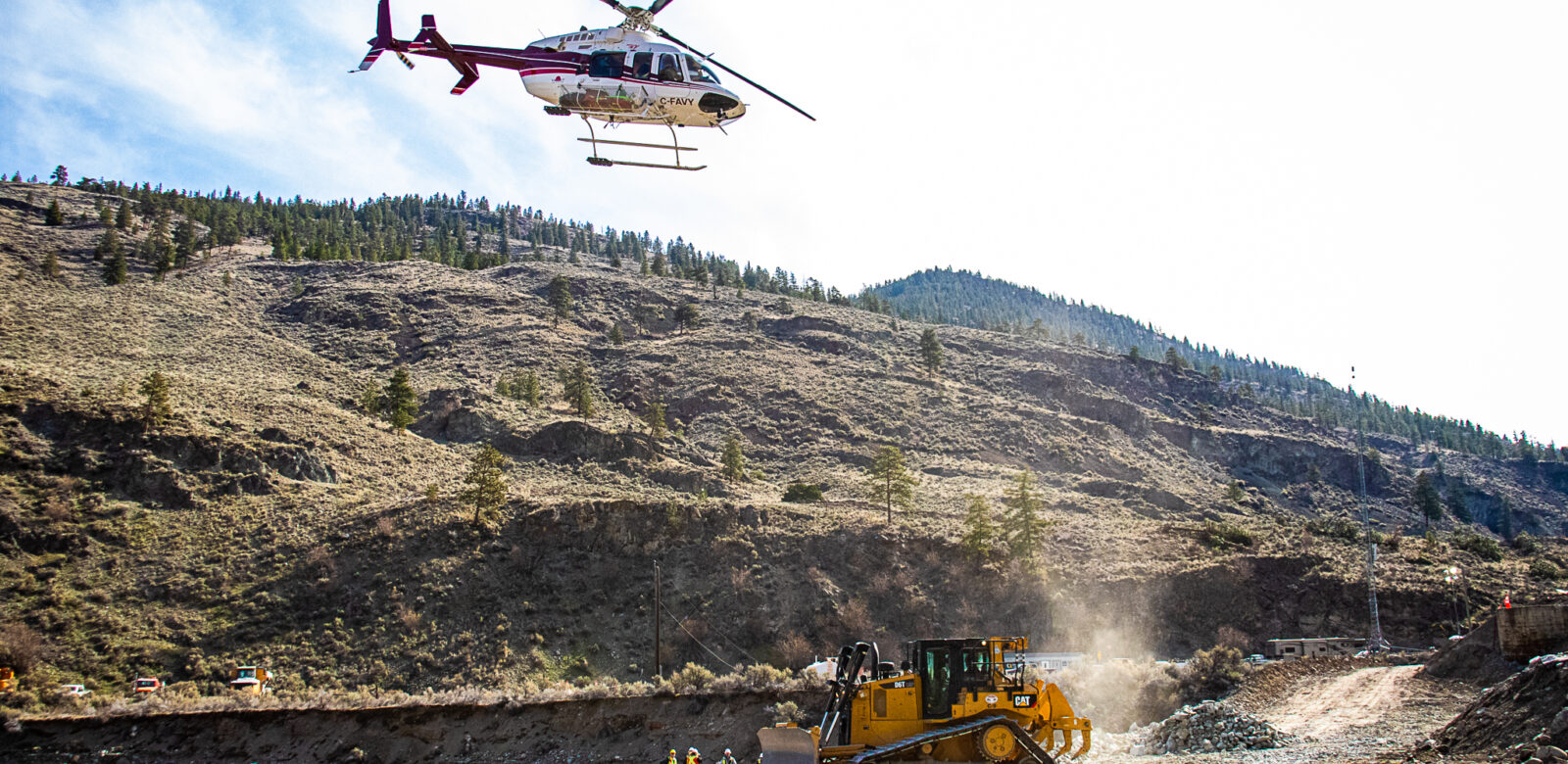
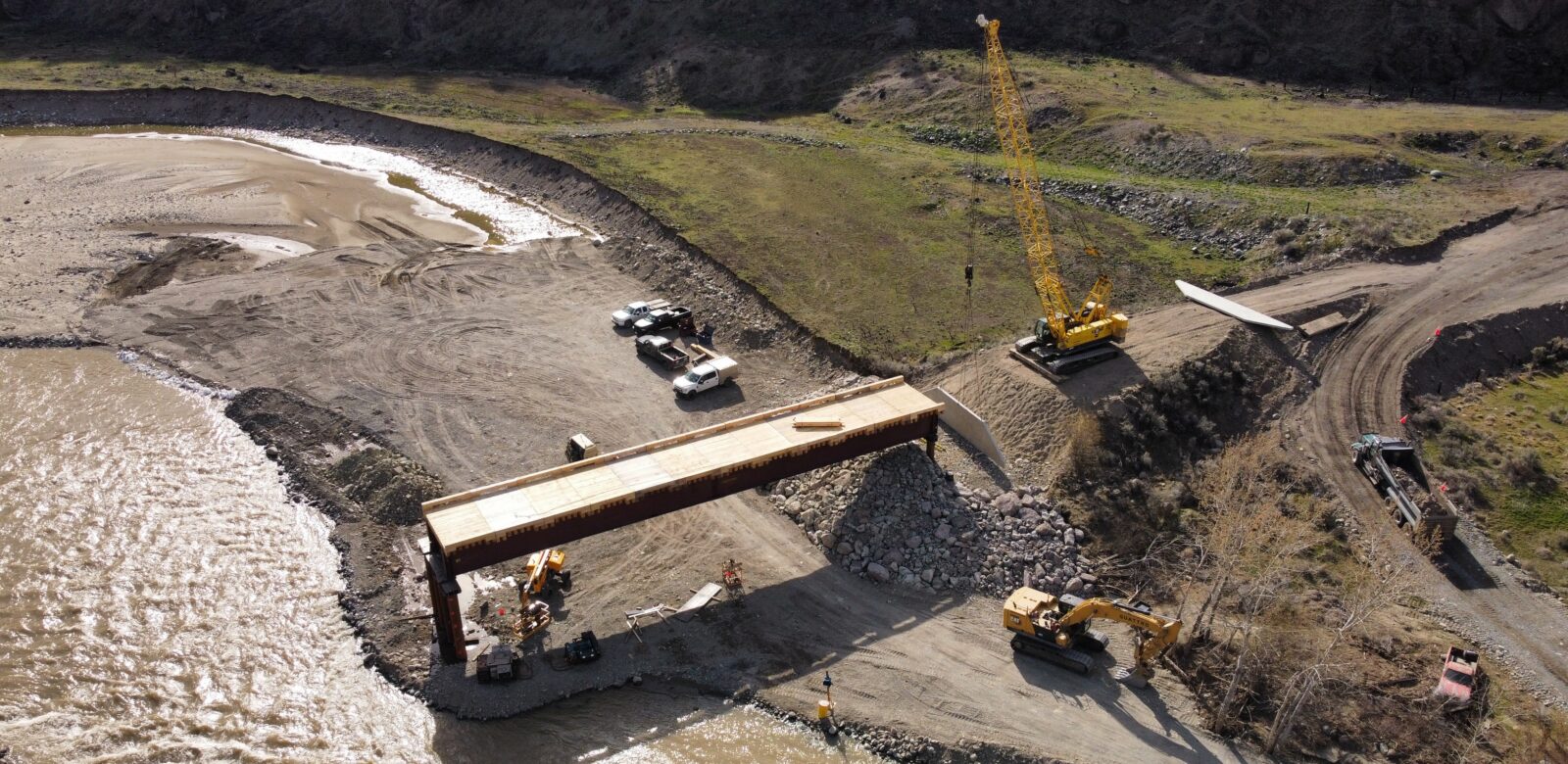
Working with various local Indigenous Communities, RAM’s scope on the $5 million project included construction management services on the removal of debris in the Nicola, Coldwater, Tulameen, Similkameen, and Fraser Rivers, all of which are provincially and federally protected.
RAM was also responsible for the time-sensitive mobilization of equipment and collaborative methodologies that complied with landowner requirements, including First Nations governing bodies.